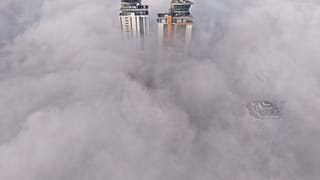
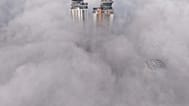















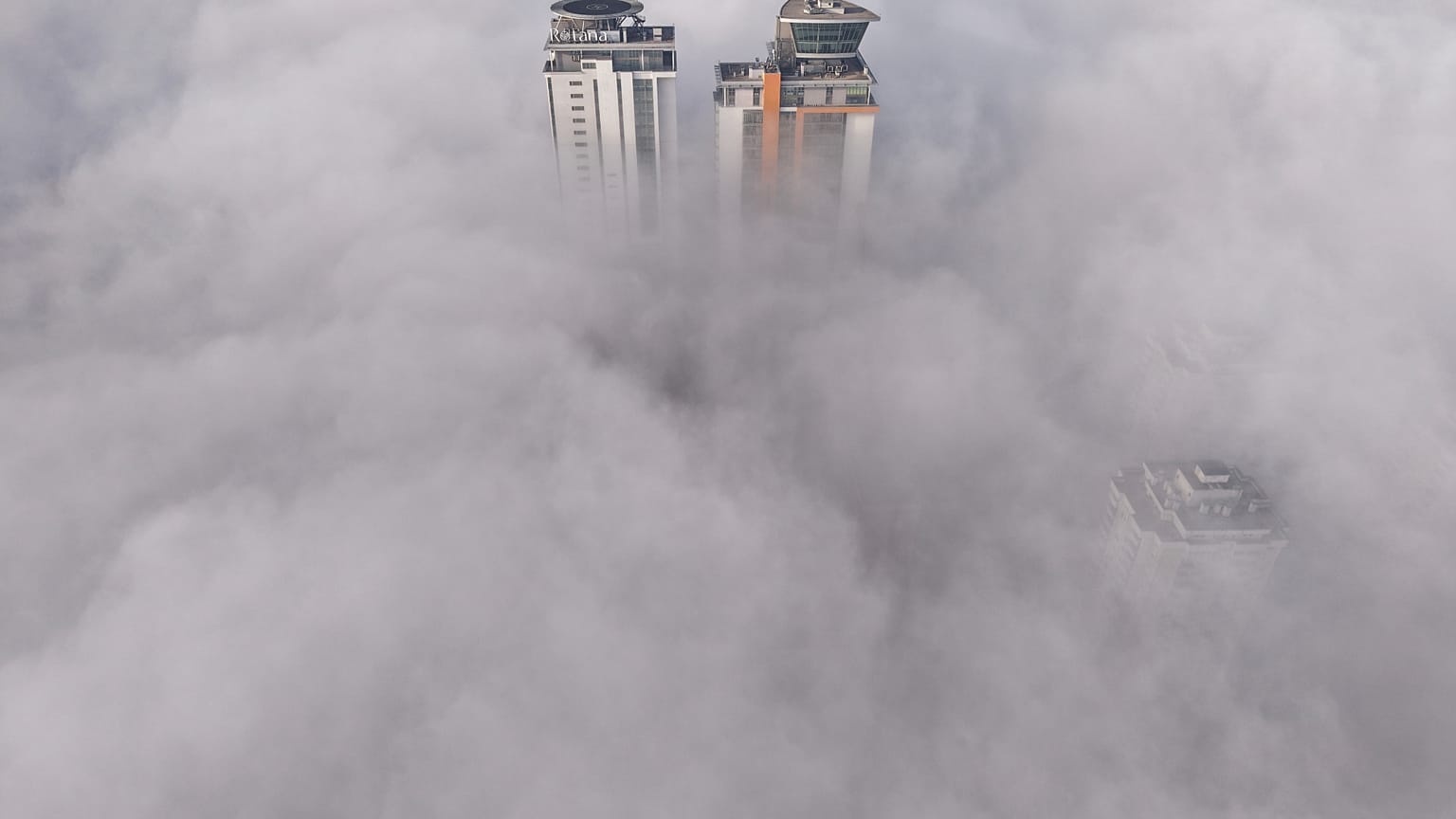


Bosnia and Herzegovina's capital woke up to disruption as Sarajevo faces severe air pollution issues. Festive lights were switched off, children were told to stay indoors and outdoor construction was halted as visibility dropped across the valley city. Several flights were cancelled and traffic slowed during the morning rush hour, while some residents wore face masks to cope with the toxic air.
Sarajevo’s geography causes domestic and traffic emissions to become trapped by temperature inversions, leading to dangerous pollution levels that exceed safety limits for over 100 days a year. In response to these hazardous peaks, authorities have implemented emergency measures, including banning heavy goods vehicles and older, high-emission cars from the city centre.
Despite these restrictions, the transition to cleaner energy remains sluggish, leaving Bosnia with one of the world’s highest per-capita death rates linked to air pollution.