

















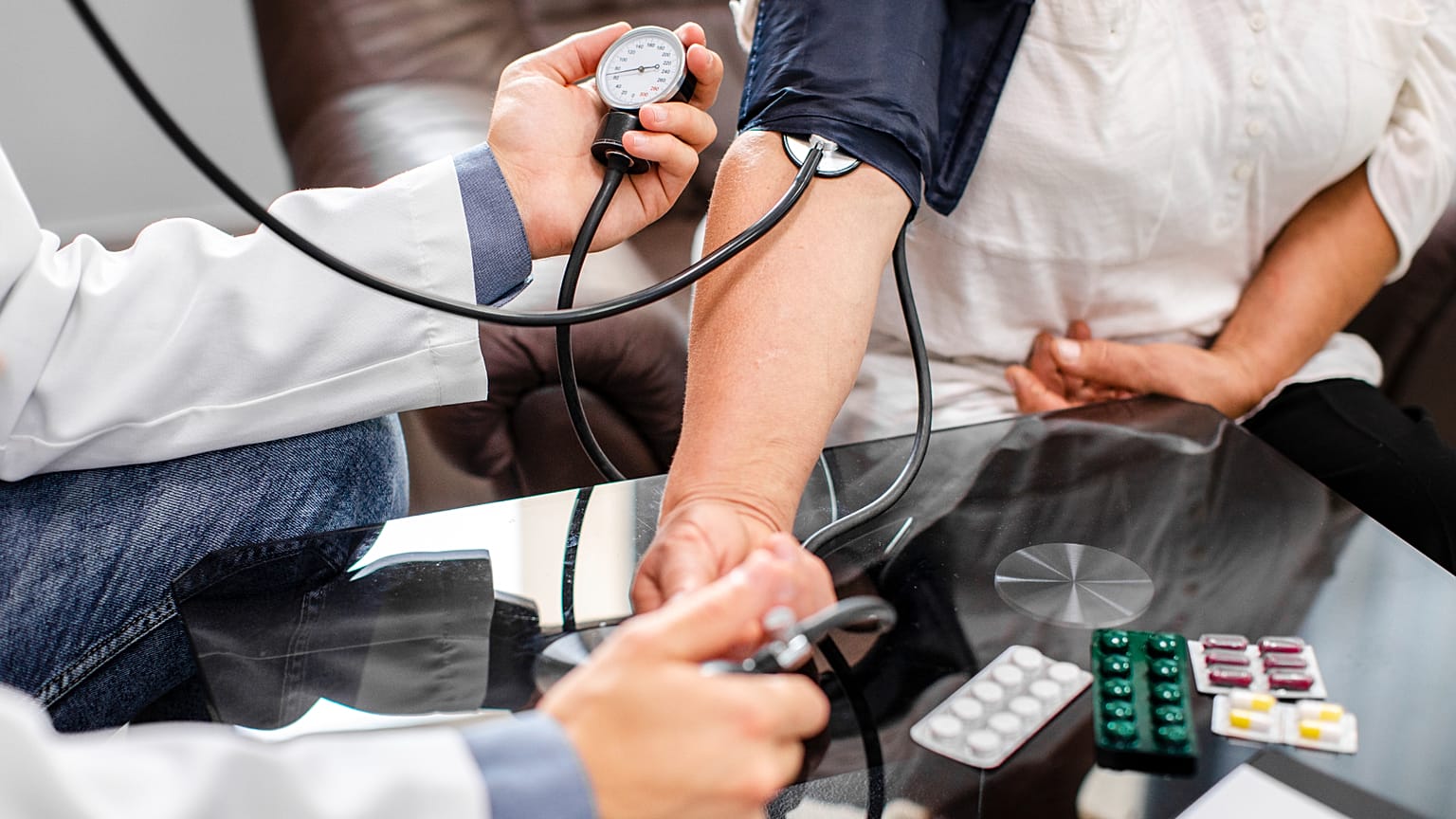













The European Union’s new ‘Safe Hearts Plan’ aims to cut cardiovascular deaths by 25 per cent in the next decade.
The European Commission has unveiled a ‘Safe Hearts Plan’ to improve cardiovascular health by boosting prevention, tackling risk factors such as unhealthy diets and tobacco use, and increasing vaccination.
Cardiovascular diseases (CVDs) are the leading cause of death and disability across the European Union (EU), accounting for about 1.7 million deaths annually and affecting 62 million people, according to the Organisation for Economic Co-operation and Development (OECD).
Cardiovascular disease refers to conditions that affect the heart and blood vessels, such as heart attack, stroke, and heart failure. As it stands, CVD prevalence is projected to rise 90 per cent and deaths 73 per cent between 2025–2050.
“This is a long overdue commitment of the European Union, because still cardiovascular health is the most important challenge in front of us when it comes to public health,” European Health Commissioner Olivér Várhelyi told reporters.
The new plan, revealed on Tuesday. aims to reverse this trend by supporting member states to address the main causes and by setting specific reduction targets for 2035.
Over the next decade, the EU wants to cut premature deaths from cardiovascular disease by 25 per cent and introduce annual checks for blood pressure, cholesterol and blood sugar for most adults older than 25.
Várhelyi said that, otherwise, the EU runs the risk of losing more lives and having generations not able to live a full life because of these diseases.
Special focus on prevention
The Commission notes that nearly 80 per cent of cardiovascular diseases can be prevented through lifestyle changes.
Cardiovascular diseases are caused by a range of modifiable and non-modifiable factors ranging from high blood pressure, high cholesterol, and diabetes to smoking, obesity and air pollution.
The EU plan puts a strong focus on lifestyle risk factors and makes prevention part of national routine healthcare.
One major target is tobacco use. Following existing targets, the goal is that fewer than 5 per cent of adults will be using tobacco by 2040, aligned with Europe’s Beating Cancer Plan.
To achieve that, the Commission will revise the EU tobacco control legislation in 2026 to cover novel products such as e-cigarettes, nicotine pouches and vapes. There will also be a revision of the Tobacco Taxation Directive to harmonise excise duties across traditional and newer products.
Another concern is unhealthy diets. According to the Commission, about 75 per cent of deaths linked to obesity are attributed to cardiovascular diseases.
The EU plan warns of the number of people who don’t follow a diet as healthy as they should: only about 60 per cent of adults consume fresh fruit and vegetables daily, while 42 per cent of adolescents consume no fruit or vegetables daily.
The proposed measures include support for food reformulation, sustainable public procurement criteria for healthy food in public institutions, and better information on ultra‑processed foods.
Commissioner Várhelyi had previously indicated he was open to taxes on products high in sugar, salt and ultraprocessed ingredients – however, these didn’t make it into the final plan.
Stakeholder concerns
While these measures are welcomed by stakeholders, consumer groups criticised the lack of specific timelines and measurable commitments.
"The new Cardiovascular health plan lacks teeth to better protect consumers from unhealthy foods, high in fat, sugar and salt”, said Samuele Tonello, senior food policy officer, at the European Consumer Organisation BEUC.
He added that properly addressing the problem will require more measures to make the healthy and sustainable choice easy for consumers, and limit unhealthy options.
According to Foodwatch International, an advocacy group for consumer rights, the Commission missed the opportunity to present specific legislation to ban the marketing of unhealthy food to children, prohibit the sales of energy drinks to minors, among others.
Beyond lifestyle, the plan also seeks to boost vaccination against respiratory infections that worsen cardiovascular conditions, such as influenza, COVID‑19, respiratory syncytial virus (RSV), pneumococcal disease and herpes zoster in older people and high‑risk groups.
The Commission frames higher vaccine uptake in these groups as another essential tool to prevent heart attacks and strokes triggered by infections.