































The European Consumer Organisation is raising the alarm about hidden advertising practices by influencers on social media for fast-fashion and unhealthy food.
You might have spotted some of these practices on Instagram or Tiktok.
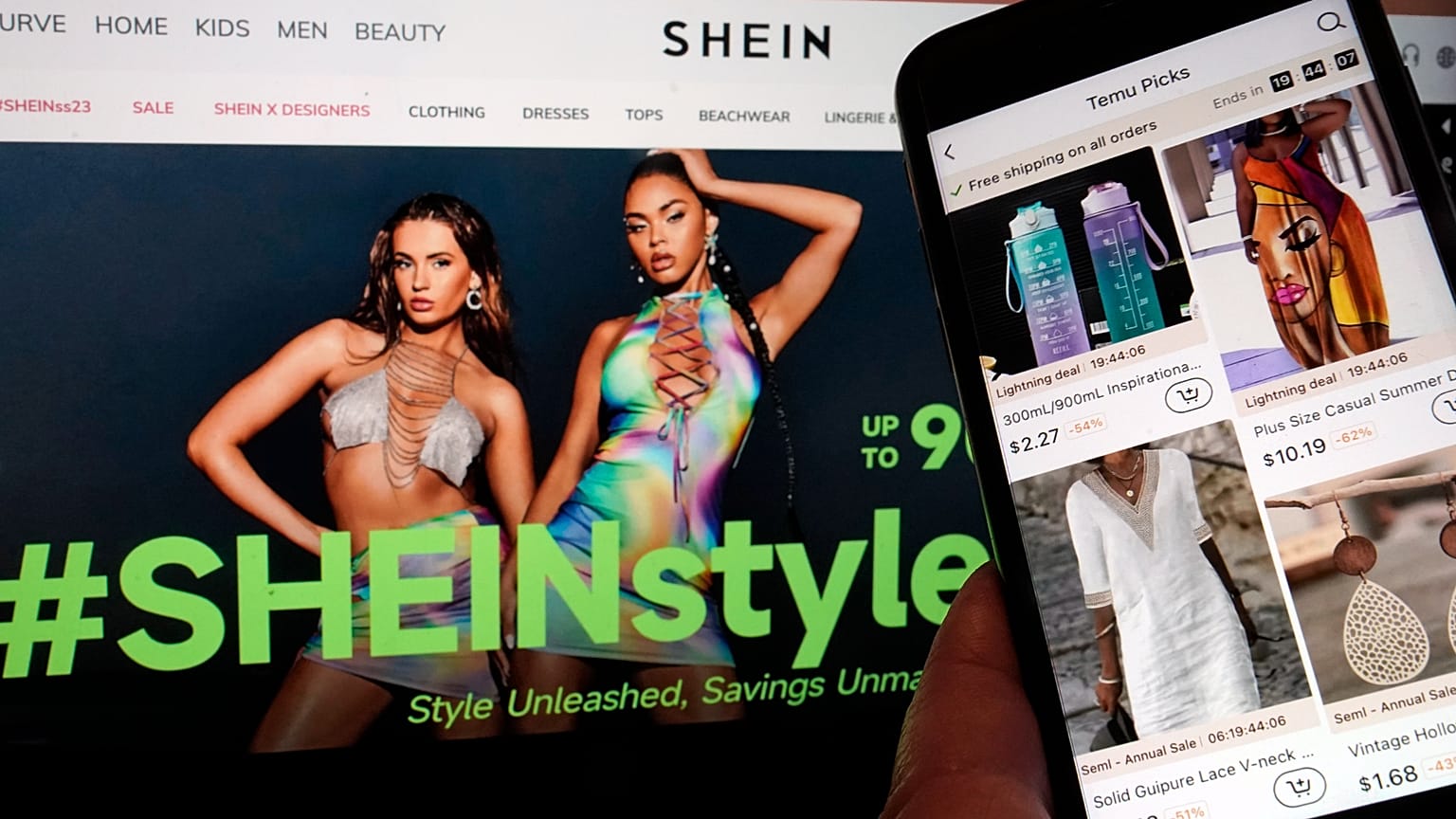
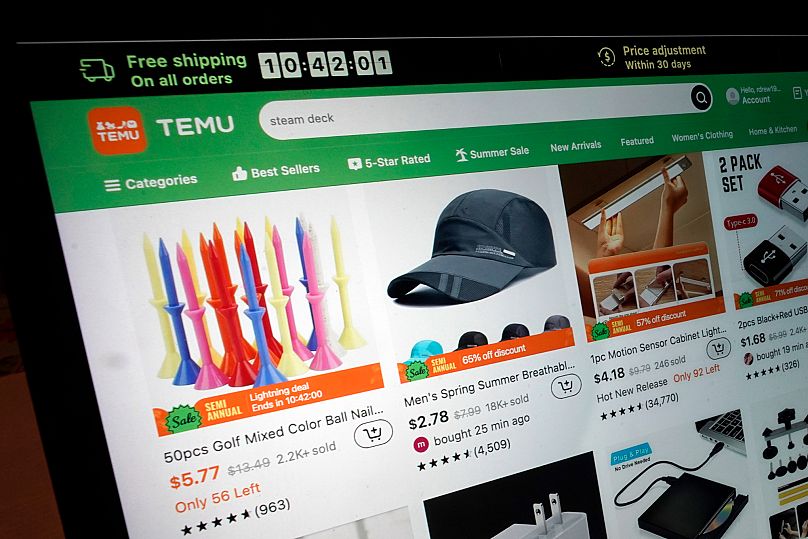
Influencers unpacking and trying on clothing from platforms such as Shein or Temu to showcase how much can be purchased with little money, others showing cheap imitations of clothing or accessories from fast-fashion brands.
These marketing practices are respectively known as "hauls" or "try-on hauls" and "dupe" videos.
Influencer marketing also promotes unhealthy food advertising. In Portugal, McDonald's collaborated with a popular streamer exploring a Minecraft world. In other instances, influencers offer discount codes for fast-food brands, post taste tests and flavour challenges or perform dance challenges and comedy sketches for drinks or snack brands.
In a new report, the European Consumer Organisation (BEUC) warns influencer marketing raises issues such as a lack of transparency, undisclosed commercial partnerships and incentives to overconsume.
"In some cases, we believe that there is a breach of EU law, particularly when it comes to promoting something for what you are being paid for and you're not telling that to the consumer. So that is covered by consumer protection laws," Agustín Reyna, BEUC's Director General told Euronews.
"But something that in EU law we do not have covered is this relationship between influencers and the brands, influencers and the platforms," he adds.
67% of the monitored influencer's posts promoting unhealthy food items failed to disclose a partnership with a brand, neither as a gift nor as a paid promotion, according to the BEUC.
Hence, the European Consumer Organisation recommends to establish joint liability between influencers, their agencies and brands if consumer law is breached. It also advocates in favor of a prohibition of influencer marketing in risky sectors such as unhealthy food to children.
At national level, some European countries have adopted rules to regulate influencers commercial activities. In France, the National Assembly and the Senate approved a proposal to ban influencer marketing for the fast-fashion. Norway also banned influencers from promoting unhealthy food and drinks to children.
For its part, the European Commission is expected to present the draft Digital Fairness Act next year to tackle unfair online practices and misleading influencer marketing.