





























Many key ingredients for festive foods have been hit by climate change, causing yields to plummet or forcing farmers to introduce adaptations.
As Christmas approaches, supermarket shelves fill up with beloved products for festive meals: turkey, potatoes, cinnamon and chocolate.
But consumers may have noticed that costs for these traditional foods are a little higher this year, or perhaps that stock seems scarcer.
Many key ingredients for festive foods have been hit by climate change, causing yields to plummet or forcing farmers to introduce adaptations.
Here’s how the climate is impacting the global pantry and changing our Christmas meals.
An ingredient crisis for sweet Christmas treats
Baking is a hugely popular festive activity with people in kitchens around the world preparing seasonal sweet treats like gingerbread, Christmas cake or cinnamon rolls. But some crucial ingredients may be harder to source this year.
From West African cocoa farms to cinnamon groves in Sri Lanka, climate pressures are hitting both availability and price, according to a new report from The Weather Channel.
Cocoa, vanilla, cinnamon, and sugarcane are among the world’s crops most susceptible to climate change.
Vanilla production is centred in Madagascar, where it is at the mercy of cyclones and heatwaves.
Sugarcane and sugar beets suffer in conditions of drought, flooding and prolonged extreme heat. And cinnamon grows mainly in just a few tropical regions with fragile ecosystems.
Cocoa is one of the most affected products.
The crop needs specific temperatures, humidity and rainfall to thrive, but around 97 per cent of the world’s supply is grown in countries with a low-medium or below climate score, as per the Notre Dame Global Adaptation Index, a tool that combines a country’s vulnerability to climate damages with its access to financial and institutional support.
Some climate models project that up to 50 per cent of the current cocoa-growing land may become unsuitable by 2050 unless farmers switch to heat-resistant varieties.
Turkey costs more in a hotter climate
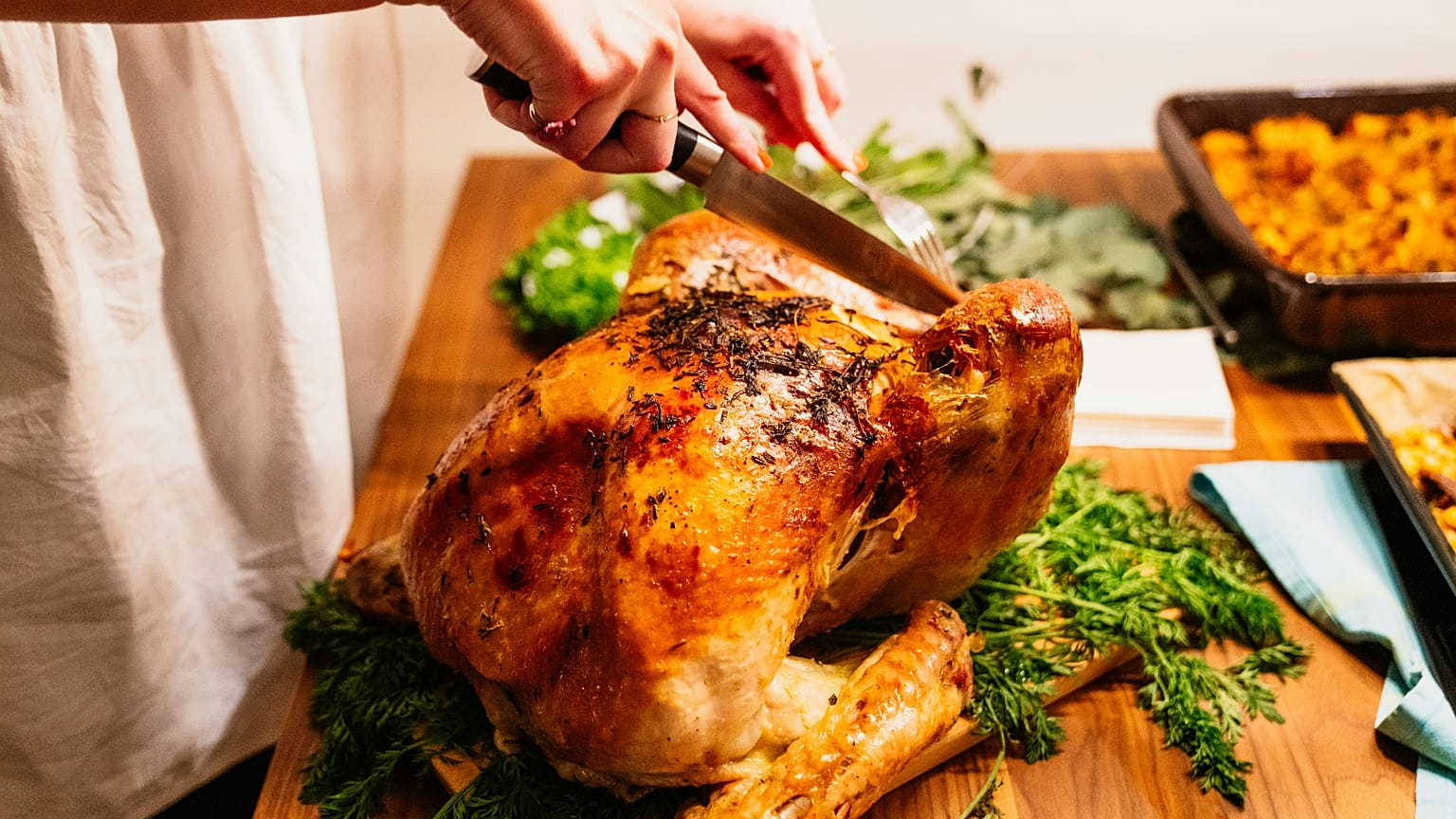
According to a new report from consumer watchdog Which?, the price of fresh Christmas turkey in the UK has jumped by 4.7 per cent year-on-year.
Turkey farms in the UK and the US have been struggling to contend with rising temperatures in recent years.
Hotter summers in Britain have resulted in increasingly stressed birds. This makes the animals sweat more - causing them to lose weight and driving up the cost of the meat.
Prices for turkeys are also indirectly affected by soaring gas bills, which are making the running of incubators for chicks more expensive.
In the US, wild turkey populations fell by around 18 per cent between 2014 and 2019, according to The Wildlife Society.
Like in the UK, farmed turkeys are also suffering the heat, and feed prices are rising due to crop failures.
A Christmas dinner without all the trimmings
Classic accompaniments to the Christmas roast dinner have also been caught in the climate crossfire.
Drought reduced UK onion yields by 30 per cent in 2023, while the Pacific Northwest of the US, a major onion-producing region, saw an 8 per cent drop in 2021 due to severe heat.
In contrast, heavy rainfall has plagued the production of potatoes, particularly in Belgium, the Netherlands, France and the UK.
Excess precipitation results in increased crop spoilage. In 2023, 15 per cent of Dutch potato crops were left unharvested in waterlogged fields in November, sparking a surge in prices over the festive season.
Brussels sprout production in the UK is also being threatened by climate change. Warming temperatures open the door to pests that can decimate or completely destroy a harvest.
This happened in 2016, when ‘super-pest’ diamondback moths devastated sprout crops, resulting in losses of up to 60 per cent for some farmers.
Greater variations in temperature are also a problem for sprouts, with extreme weather in 2022 causing the least-favourite Christmas vegetables to be smaller.