
















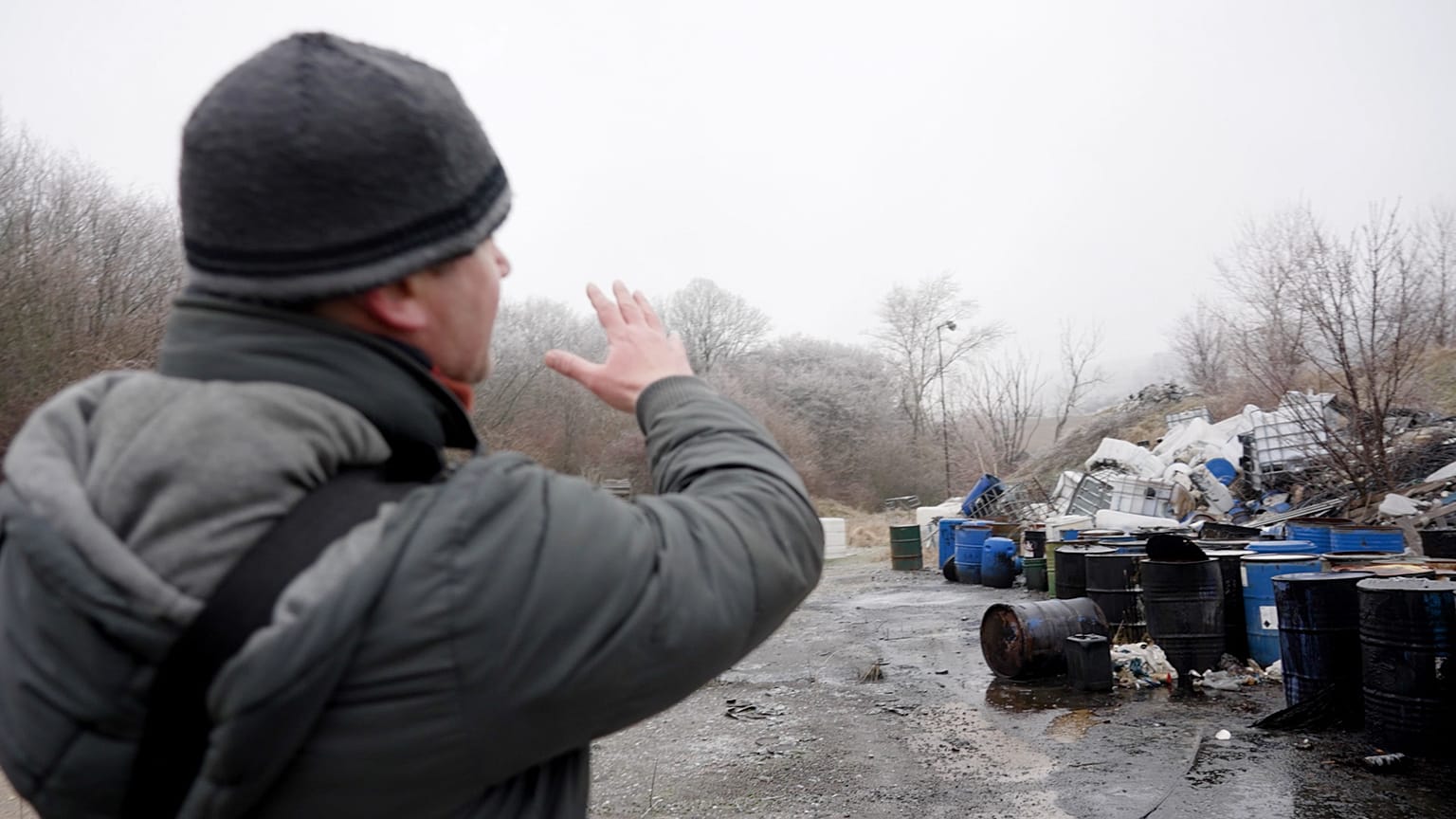














One year after the adoption of the updated European Directive on Environmental Crime, Euronews takes stock with Lieutenant Colonel Ondrej Koporec, Slovakian environmental investigator and Chair of the European EnviCrimeNet network.
Euronews: How has the fight against environmental crime evolved in Slovakia in recent years?
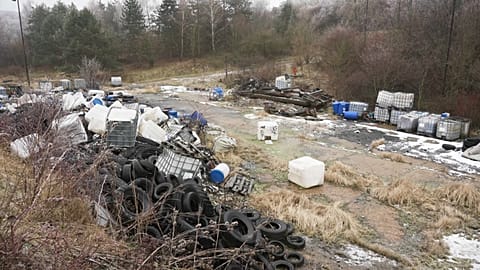
Ondrej Koporec: When I first started working on environmental crime in 2007, awareness of these offences was extremely low. The majority of detection and investigation was handled by district and regional police departments, which lacked the necessary expertise and technical capabilities. Over the years, we have progressively expanded our scope, recognising the growing threat posed by waste crime. Eastern European countries often receive illegal waste shipments from other parts of Europe, causing significant harm to both the environment and human health. Today, Slovakia has a dedicated enforcement unit capable of identifying criminal networks and effectively intercepting not only illegal waste shipments but also other environmental crimes.
How is it progressing elsewhere in Europe?
There are significant differences among EU member states. On one hand, we have countries like Spain and Italy, where thousands of officers are specialised solely in environmental crime. On the other hand, there are countries with almost no experts in this field. This presents a major challenge for law enforcement, as criminals can identify countries with lower levels of enforcement and shift their core activities there.
What is the priority according to EnviCrimeNet?
EnviCrimeNet is a network of environmental crime specialists from police forces, customs, and other state authorities involved in criminal investigations. Our primary goal is to raise awareness of the fight against environmental crime, the need for international cooperation, and the sharing of best practices to enhance collective efforts, as well as the importance of specialisation. Once officers are part of a specialised unit —, they can improve their expertise, learn from each other and share their knowledge in the team. This helps them investigate more efficiently, leading to quicker and more effective outcomes.
The EU has updated its environmental crime directive. What will this change on the ground?
We have high expectations of the new directive, as the previous one focused on incorporating environmental crime into criminal codes but did not create the necessary conditions for the involvement of law enforcement. The new directive aims to establish a system that works effectively to address these crimes. Thanks to this instrument, we will also be able to gain a better understanding of the true scale of environmental crime. Currently, our statistics only reflect the level of law enforcement activity. Think of it like medicine: if you don’t have a specialist for a specific illness, it will never appear in your statistics because doctors won’t be able to detect it. The same applies to environmental crime. Without experts, there will be no cases.
Are we on the right path to eliminate these offences?
Perpetrators of environmental crime are not like other organised crime groups, which are determined to continue their activities despite the risks of detection and punishment. In many cases, they are ordinary citizens — CEOs of legitimate companies who engage in illegal activities because they believe they won’t be detected. If we establish a system capable of detecting these illegal activities and sentencing perpetrators, their motivation will decrease significantly, along with the impact on the environment.
Read more